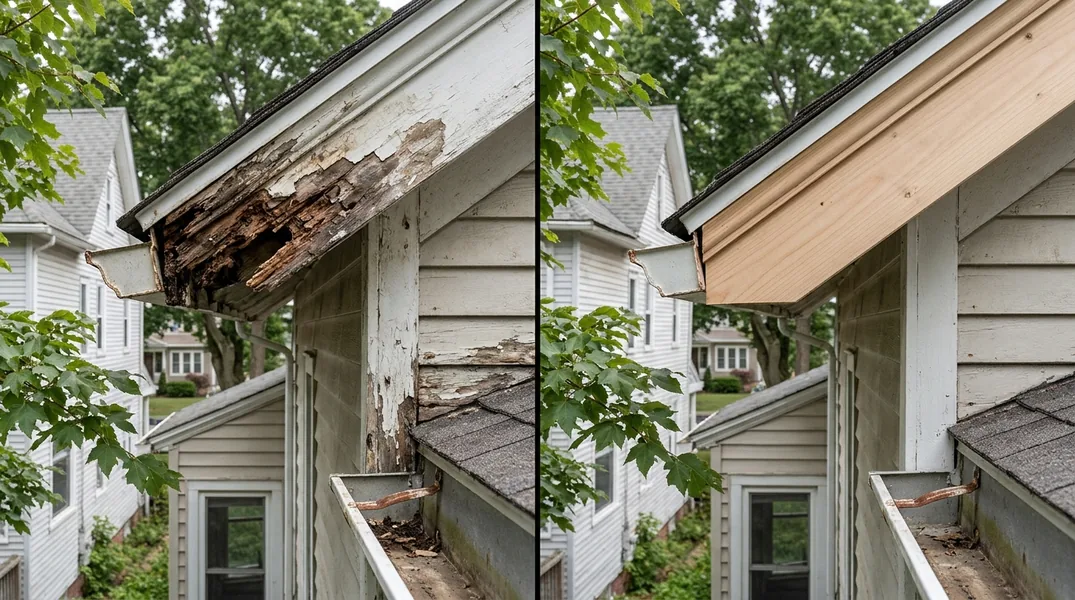
Is Wood Rot Covered by Homeowners Insurance?
One of the most common questions homeowners ask is whether their standard homeowners insurance policy covers wood rot damage. The short answer is: it depends on the cause. Most traditional homeowners insurance policies do not cover wood rot that develops gradually over time due to moisture, poor ventilation, or lack of maintenance. Insurance companies view this as a preventable condition that falls under your responsibility as a homeowner.
However, if wood rot is the direct result of a covered peril, such as a sudden storm, burst pipe, or other insurable event, your policy may provide coverage. For example, if a tree branch crashes through your roof during a severe storm and water infiltrates your home, causing rot to develop in the underlying wood structure, that damage might be covered. The key distinction is whether the rot stems from sudden, accidental damage or from gradual deterioration. To understand your specific coverage, review your policy documents carefully or contact your insurance agent to clarify what scenarios your plan includes.
If you discover wood rot in your home, acting quickly is essential. The longer rot spreads, the more expensive repairs become. Bridgeport homeowners facing wood rot damage should consider getting a professional inspection to document the extent of the problem and determine whether it qualifies for an insurance claim. Bridgeport Carpentry can help assess the damage and provide documentation that may support your claim.
Understanding Storm Damage Insurance Claims in Bridgeport
Storm damage is one of the most frequently covered perils under homeowners insurance policies. When severe weather strikes Bridgeport, it can cause significant structural damage, including roof leaks, broken windows, fallen trees, and damaged siding. If your home sustains damage from a covered storm event, your insurance policy typically covers the cost of repairs, though you will usually need to pay your deductible first.
To file a successful storm damage insurance claim, document everything carefully. Take photographs and videos of all visible damage, both inside and outside your home. Make a detailed list of all damaged areas and items, and keep receipts for any temporary repairs you make to prevent further damage. Contact your insurance company promptly to report the claim and ask about the claims process. An adjuster will likely visit your home to assess the damage and determine the payout amount. It is important to be thorough and honest in your documentation, as this directly affects how much your insurance company will reimburse.
Common storm damage in our area includes roof damage from high winds, water intrusion from heavy rain, and structural damage from fallen branches or trees. If storm damage has affected the wooden components of your home, such as roof framing, fascia, or siding, you may need Wood Rot & Dry Rot Repair after addressing the initial damage. Bridgeport Carpentry works with homeowners and their insurance companies to restore storm-damaged wood structures to their original condition.
Ice Dam Damage and Insurance Coverage Explained
Ice dams are a common winter problem in colder climates and can cause significant water damage to homes. An ice dam forms when warm air from inside your attic melts snow on your roof, and the water refreezes at the cold edges of the roof, creating a barrier that prevents proper drainage. Water backs up behind the dam and can seep into your attic, walls, and ceilings, leading to water damage, mold, and wood rot.
The insurance coverage for ice dam damage can be complex. Some policies cover damage caused by ice dams under water damage provisions, while others may exclude it. Your coverage depends on your specific policy language and the circumstances of the damage. Generally, if the ice dam itself caused the water damage, you may have coverage. However, if the ice dam resulted from poor attic insulation or inadequate ventilation (maintenance issues), your insurer may deny the claim. To protect yourself, contact your insurance agent before winter to clarify whether ice dam damage is covered under your policy.
If you have experienced ice dam damage, it is crucial to address any resulting wood rot promptly. Water damage from ice dams often affects roof decking, rafters, and wall framing. The combination of moisture and temperature fluctuations creates ideal conditions for rot to develop. Professional inspection and repair are essential to prevent structural compromise. If you need help assessing and repairing ice dam damage in Bridgeport, Bridgeport Carpentry can evaluate the damage and help document it for your insurance claim.
How to File a Wood Rot Insurance Claim
Filing a wood rot insurance claim requires careful preparation and documentation. First, determine whether your wood rot qualifies for coverage by reviewing your policy and identifying the root cause. If the rot resulted from a covered peril such as a storm, burst pipe, or sudden water damage, you have a stronger case for coverage. If the rot developed gradually from poor maintenance or chronic moisture issues, your claim will likely be denied.
Once you have determined that your damage may be covered, contact your insurance company to report the claim. Provide a clear description of what happened and when you discovered the damage. Request a claim number and the name of your assigned adjuster. Before the adjuster visits, take detailed photographs and videos showing the extent of the rot, including close-ups of affected areas. Make a list of all damaged structural elements and any other property affected by the rot or resulting repairs. Gather receipts, repair estimates, and any documentation showing that the damage was caused by a covered event, not neglect.
When the adjuster inspects your home, be present and point out all damaged areas. Explain the sequence of events that led to the damage, emphasizing the covered peril that caused it. If you have already obtained repair estimates from a professional contractor, share these with the adjuster. After the inspection, the adjuster will prepare a report and your insurance company will send you a settlement offer. If you believe the offer is too low, you can request a review, hire an independent adjuster, or appeal the decision. Having professional documentation from a qualified carpenter can significantly strengthen your claim. Bridgeport Carpentry can provide detailed damage assessments and repair estimates to support your insurance claim.
What Homeowners Should Do After Discovering Damage
If you discover wood rot, storm damage, or water damage in your home, your first priority should be to prevent further damage. Stop water intrusion by tarping damaged roof areas, sealing broken windows, and removing standing water. Document the damage thoroughly with photographs and written notes before making any repairs. Contact your insurance company as soon as possible to report the damage and initiate the claims process. Do not delay, as most policies require prompt notification.
Next, obtain professional assessments to determine the full extent of the damage. A qualified carpenter can evaluate structural integrity, identify all affected areas, and provide repair estimates. This professional documentation is invaluable when working with your insurance company. Do not attempt major repairs until your insurance adjuster has inspected the damage, as doing so could complicate your claim. However, you should take reasonable steps to prevent further damage, such as temporary boarding up or water removal, as these are typically considered necessary mitigation.
For homeowners in Bridgeport dealing with wood rot or storm damage, Bridgeport Carpentry offers comprehensive damage assessment and repair services. We can document damage for your insurance claim, provide detailed repair estimates, and restore your home to its pre-damage condition. Call us at (475) 476-1794 or contact us online to schedule a free estimate and get professional guidance on your specific situation.
Preventing Future Damage and Protecting Your Coverage
The best way to protect your homeowners insurance coverage is to maintain your home properly and prevent damage before it occurs. Regular maintenance directly affects both your home's condition and your insurance company's willingness to pay claims. Insurance companies may deny claims if they can prove that damage resulted from neglect or deferred maintenance. By keeping your roof in good condition, maintaining proper attic ventilation, cleaning gutters, sealing cracks, and addressing moisture issues promptly, you reduce the risk of water damage and wood rot.
Inspect your home seasonally, especially after severe weather. Look for signs of water infiltration, such as stains on ceilings or walls, soft wood, or musty odors. Address roof leaks immediately, as even small leaks can lead to extensive wood rot over time. Ensure your attic has adequate ventilation to prevent ice dams and moisture buildup. Maintain gutters and downspouts to direct water away from your foundation. If you notice any signs of damage or deterioration, take action right away rather than waiting for a major problem to develop.
When it comes to wood rot, prevention is far more cost-effective than repair. Regular inspections can catch early signs of rot before they become structural problems requiring expensive restoration. If you suspect wood rot or have experienced water damage, professional Wood Rot & Dry Rot Repair services can address the problem comprehensively. Bridgeport Carpentry recommends annual inspections for homes in our region to catch and address issues early. Contact us at (475) 476-1794 to schedule a professional home inspection and protect your investment.
Looking for a professional carpentry contractor in Bridgeport? Bridgeport Carpentry responds fast for all your carpentry needs.
Get a Free QuoteOur services: Wood Rot & Dry Rot Repair · Termite Damage Repair · Floor Joist & Subfloor Repair