Why Doors Stick in Bridgeport: The Climate and Structure Connection
If you live in Bridgeport, you've probably noticed it: a door that glides smoothly in winter suddenly becomes stubborn and difficult to close when summer humidity rolls in. Then, just as mysteriously, it loosens up again when the dry winter air returns. This frustrating cycle isn't a coincidence, and it's certainly not unique to your home. The problem stems from two major factors that affect nearly every older house in the region: seasonal moisture fluctuations and the natural settling that occurs as wooden frame homes age.
Wood is a hygroscopic material, meaning it absorbs and releases moisture in response to the air around it. When Bridgeport summers bring high humidity levels, wooden door frames swell slightly as they absorb moisture from the air. This expansion, though often just a fraction of an inch, is enough to cause a door to bind against its frame or jamb. Conversely, during dry winter months, the wood shrinks back to its original size, and the door operates freely again. This seasonal swelling and shrinking is completely normal and happens in virtually every wooden structure, but the degree to which it affects your doors depends on the age of your home, the quality of the door frame, and how well your home is sealed and climate-controlled.
Door Sticks in Summer: Understanding Seasonal Swelling
Summer humidity in Bridgeport typically peaks in July and August, when moisture levels can reach uncomfortable levels both outdoors and indoors. This is precisely when most homeowners report that their doors won't close properly or require extra force to shut. The top and bottom edges of doors are particularly vulnerable to swelling because end grain wood absorbs moisture much more readily than the flat surfaces. If your door is binding along its top edge or dragging along the floor, seasonal swelling is almost certainly the culprit.
The problem becomes more pronounced in homes that lack modern climate control or proper weatherstripping. Older homes in Bridgeport with single-pane windows and minimal insulation experience more dramatic interior humidity swings, which translates to more noticeable door movement. Additionally, doors that face south or west receive more direct sunlight, which can cause uneven moisture absorption and warping. If you notice that one particular door sticks more than others, its exposure to sunlight and weather may be a significant factor.
House Settling and Frame Distortion: The Long-Term Problem
While seasonal swelling and shrinking is temporary and reversible, house settling represents a more permanent structural shift. Older homes in Bridgeport built decades ago continue to settle unevenly as the foundation compacts and wooden structural elements gradually compress under the weight of the house. This settling can be measured in fractions of an inch per year, but over decades, it adds up. When a house settles unevenly, door frames twist and shift out of square, causing doors to bind even when moisture levels are stable.
A door frame that was perfectly square when installed may no longer be square after fifty or seventy years of settlement. The header (the horizontal beam above the door) might sag slightly, or the vertical jambs might tilt inward or outward. These subtle changes create friction points where the door edge catches on the frame. Unlike seasonal swelling, which comes and goes predictably, settlement-related binding typically worsens over time and may eventually prevent a door from closing at all. If your door sticks year-round or the problem has gradually gotten worse over the years, settlement and frame distortion are likely at play.
Identifying the Root Cause: Is It Moisture or Structure?
The first step in solving a sticking door problem is determining whether you're dealing with seasonal moisture issues or structural settling. A simple test is to monitor your door's behavior over several months. If the door binds only during humid months and operates smoothly during dry seasons, moisture swelling is your primary issue. If the door sticks year-round or the problem persists even in winter, structural settling or frame distortion is more likely the cause.
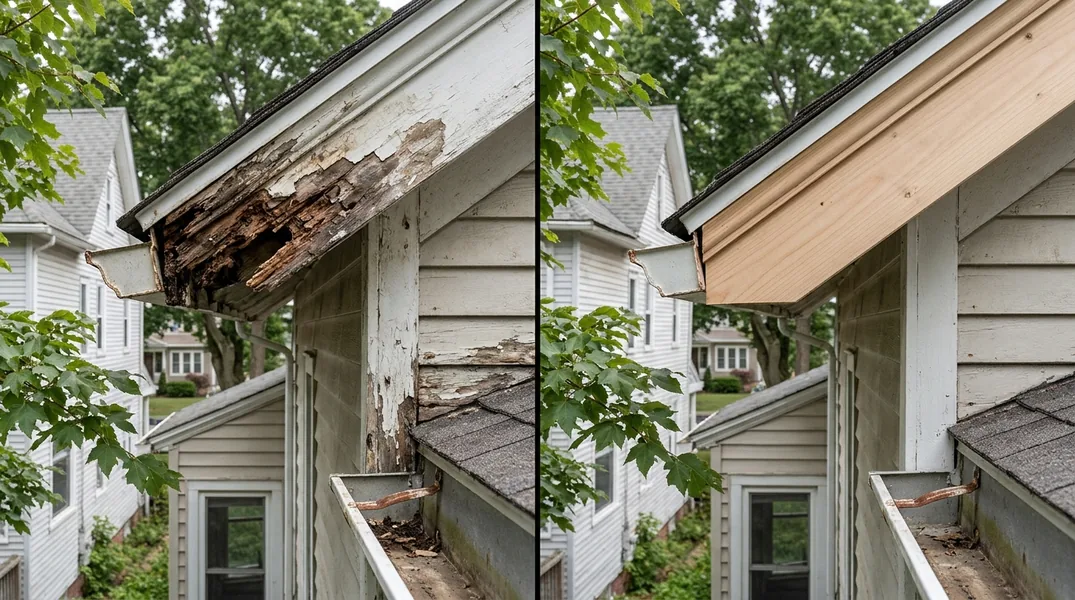
Pay attention to where the door binds. If it catches along the top edge or drags along the bottom, swelling is often responsible. If the binding occurs along the latch side (the side with the handle), the frame may be twisted or the house may have settled unevenly. You can also look for visual clues: gaps between the door and frame that are uneven (wider at the top on one side, narrower on the other) suggest frame distortion rather than simple swelling. In cases where you suspect structural issues, it's worth having a professional inspect the door frame and the surrounding structure. Problems with door frames can sometimes indicate larger issues like Wood Rot & Dry Rot Repair in the header or jambs, or even foundation movement that requires attention.
Quick Fixes vs. Professional Solutions for Sticking Doors
For minor seasonal sticking, several quick fixes can provide temporary relief. Applying weatherstripping tape to the jambs can reduce friction, or you can carefully sand the edges of the door where it binds most. However, these solutions are Band Aids that don't address the underlying cause. Sanding a door that's swelling due to humidity will only work until next summer when the swelling returns, and you may have removed too much material to ever achieve a tight seal again.
If your door frame shows signs of rot, water damage, or structural failure, the situation requires professional intervention. Damaged wood cannot support a properly functioning door, and attempting to force the door closed may cause further damage. This is where professional carpentry services become essential. A qualified carpenter can assess whether the frame needs repair, adjustment, or replacement. In some cases, Wood Rot & Dry Rot Repair is necessary before the door can function properly again. For structural issues related to house settling, a carpenter may need to carefully plane or shim the door frame back into square, or in severe cases, replace the entire frame assembly.
When to Call a Professional: Bridgeport Carpentry Can Help
If you've tried simple solutions and your door still won't close properly, or if you notice that the problem is getting worse, it's time to call in a professional. Bridgeport Carpentry specializes in diagnosing and repairing door and frame problems in older homes throughout Bridgeport. Our carpenters understand the unique challenges posed by the local climate and the structural quirks of homes built in different eras. We can determine whether your sticking door is a simple seasonal issue or a sign of deeper structural problems.
Don't let a sticking door become a security risk or an annoyance you've learned to live with. A properly functioning door is essential for comfort, security, and energy efficiency. Whether your issue stems from seasonal moisture, house settling, or damage to the frame itself, professional repair ensures the job is done right. Contact Bridgeport Carpentry today at (475) 476-1794 to schedule a free estimate. We'll inspect your door, identify the root cause, and recommend the most cost-effective solution to get your door operating smoothly again.
Looking for a professional carpentry contractor in Bridgeport? Bridgeport Carpentry responds fast for all your carpentry needs.
Get a Free QuoteOur services: Wood Rot & Dry Rot Repair · Termite Damage Repair · Floor Joist & Subfloor Repair